
The role of the store today and tomorrow

In 1905, Åhlen & Holm (yes, the same Åhlen who later founded Åhléns) released their first mail-order catalogue. They had hundreds of products from around the world delivered right to your door. Mail order sparked a consumer revolution, yet the physical stores endured.
Today, e-commerce has taken over for those who want to shop from home. Still, the physical store remains as strong as ever.
That stores endure is true in a general sense. But along the way, some stores have closed while new ones have emerged.
The key to survival lies in keeping up with changes and being able to adapt to customer needs and the evolving landscape and trends.
Or as Ayad Al-Saffar, Åhléns' new owner, so aptly put it at Retail Arena 2022:
"It's not retail that's dead, it's the retailers."
The role of the store today
We can only speculate about the delivery times back in 1905. Today, you have the item you ordered by the next morning.
In that reality, simply having a store presence is not enough for customers to choose you. You have to work a bit harder to remain relevant to consumers.
What does a physical store offer that e-commerce cannot?
First and foremost, many people enjoy shopping in person. This is connected to the fact that the store gives customers the chance to touch and feel the products, to explore them in relation to the alternatives. To get direct answers from knowledgeable staff about how a product matches their specific needs and circumstances. The store gives the customer an experience that goes beyond the mere transaction of a purchase.
E-commerce companies have understood this too, opening showrooms specifically to give their customers the chance to touch and feel products (without taking them home) and get guidance from experts.
This is where the challenge lies for many retail chains, especially those that have been around for a while. It is all too easy to get stuck in the way things used to be, to relax and rest on past glory. Which ultimately leads to becoming a poor-quality showroom where customers look at a product and then buy it somewhere else.
Your store staff are the key to staying relevant
The solution is active effort. You must take control and continuously work to keep staff updated on products and your offerings. The pace of change is faster than ever, so the importance of having an effective channel to share information and knowledge with all your staff (including part-time employees) has never been greater.
At Retail Arena, Elgiganten shared how they went from a handful of training days per year to over 250 micro-courses that can be taken online on demand. Systembolaget was on the same track. The reason they consistently rank at the top in customer satisfaction is that they invest heavily in training and knowledge sharing within the organisation.
A strong customer experience places demands on your staff. They need to conduct a good needs analysis to understand the customer. They need to know the products being sold and then understand the value of upselling so the customer gets the most out of their purchase. A strong customer experience requires that you get the right knowledge out to your staff.
Do you think staff who feel they are doing a good job for satisfied customers enjoy their work more or less? Do you think they sell more or less? Do you think they are just as likely to switch jobs at the first opportunity?
More articles
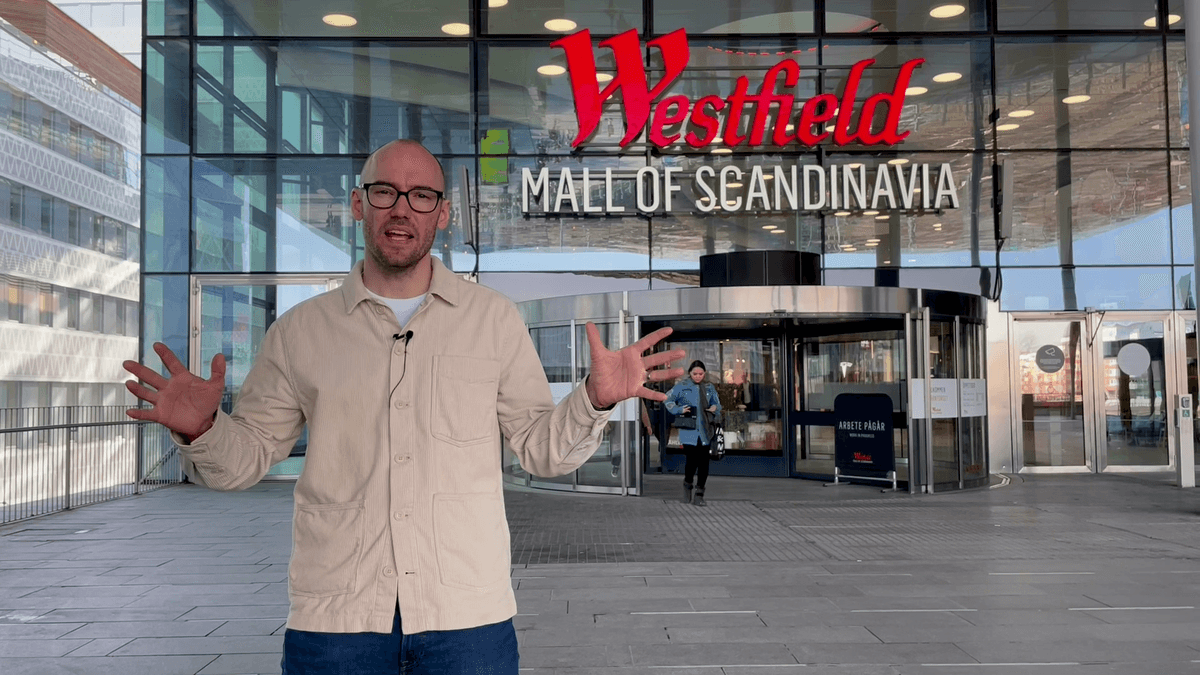
We visited 20 stores to see how many greeted us
Times are tough and retail dominates the bankruptcy statistics. But is the economy solely to blame?
Läs mer

What you should consider when investing in a new LMS for your retail chain!
An LMS is an important investment for all organizations but especially important for retail chains.
Läs mer
Is HR the rescue of retail chains in the recession?
HR holds the keys to unlocking enormous competitive advantages for retail chains.
Läs mer