
How to succeed with in-store campaigns
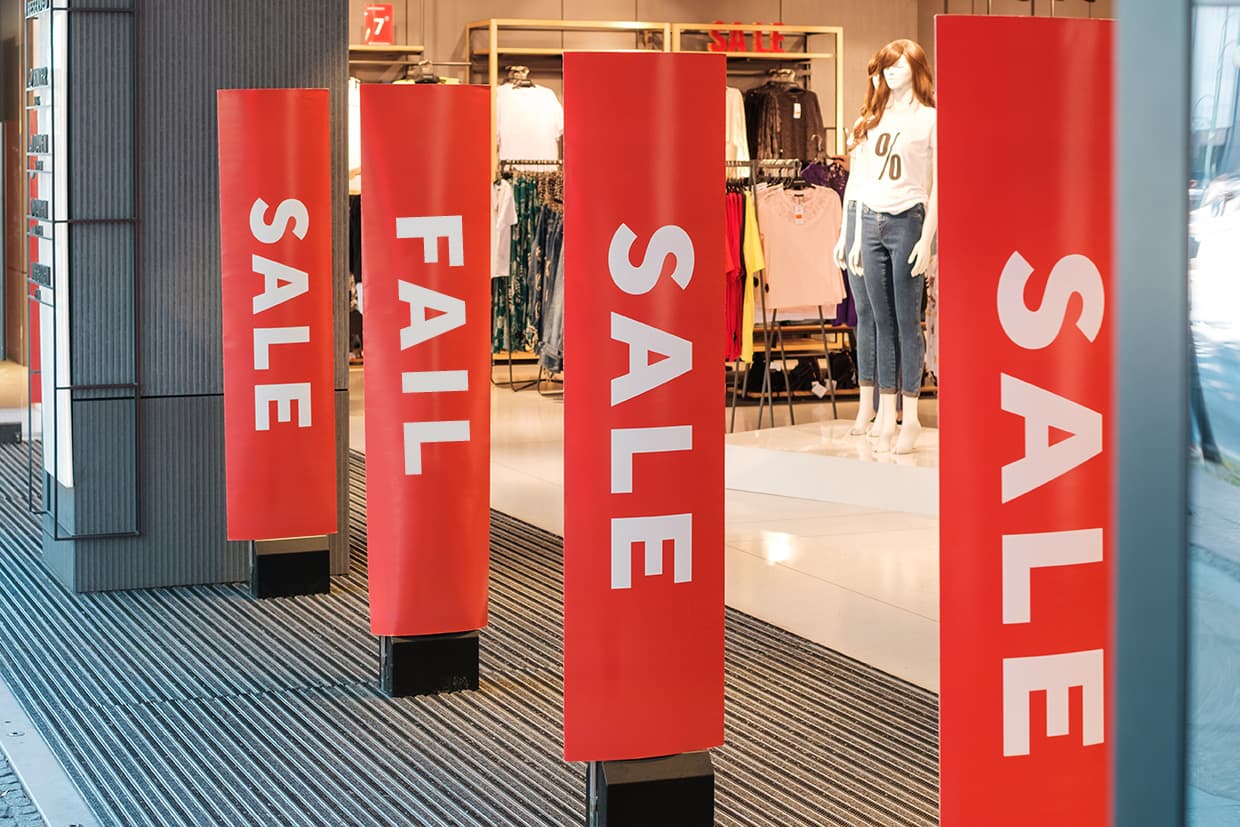
It is autumn and that means only one thing... Black Friday, Cyber Monday, holiday shopping, and post-Christmas sales!
By one thing I obviously mean four, but the fact remains that for most retail chains, it is the final quarter of the year when they sell the most. Which is hardly surprising given everything that happens in Q4 and the fact that it typically features the most heavily invested campaigns.
But getting the full impact from your campaigns can sometimes be tricky.
Imagine the feeling when you have secured a really strong deal with selected suppliers. This means a compelling offer that justifies a bigger budget for excellent signage and in-store displays for the campaign products. The campaign information has been sent to all stores – both to the store email and the intranet, just to be safe. Everything is supported by significant advertising that reaches consumers well in advance.
The campaign launches, and sales were... okay, but it was not a record-breaking success. Many stores sold well on the campaign, but some stores performed far worse than they should have.
Why do in-store campaigns underperform?
The campaign had all the ingredients for success, so why did it fall short?
There are many things that can go wrong:
- Store managers who "have always sold more of another supplier's products – why change for a campaign."
- Someone may have made a (not so great) adjustment to the signage and display materials to better fit their store.
- Then there are stores where everything was signed correctly and displayed well, but the salespeople never talked about the campaign with customers.
- Or worst of all, the ones where the materials were never even unpacked because there was no time, and then it was forgotten.
Failing to get buy-in for campaigns at the store level is something many marketing departments can relate to. But what if it were possible to see that this was about to happen before the campaign even launched? What if you could correct course before the damage was done?
The challenge with communicating campaign information via the intranet or store email is that you have no control over who has actually received the information. It is difficult to be confident that the information is understood and put into practice. And without a plan – or a way to track the plan – for the campaign, you will never be able to understand why a certain campaign went well or not. Was it because the signage was done right, because the offer was on point, or because salespeople actively promoted it?
How to succeed with in-store campaigns
You need a plan and a system that works for you in a way that neither the intranet nor the store email does. A system that makes it possible to see which stores and individuals have not received the information they need. So that even before the campaign launches, you can call that store manager and ask how you can help, since it is almost time and they seem to be behind their colleagues.
Or even better, not having to make those calls at all. Because you have a system that automatically reminds and shows store managers how they are tracking – without you having to lift a finger.
In summary, a successful campaign needs:
- A rough plan of what needs to be done, by whom, when, and what the goals are. So you have something to measure the outcome against.
- Communication of relevant information to every person in the stores who has a role in the campaign. So signage is done correctly, so salespeople understand what and how they should sell, and so on.
- Follow-up to confirm the information has been understood and that what needs to be done gets done. So you can identify where you need to provide a little extra support to get those stores across the finish line.
- After the campaign, a review of all the data: the campaign materials you produced, whether the information sent to stores was understood and acted upon, together with sales figures for the campaign and any customer feedback. So you can see which parts worked well and which can be improved.
- Taking those learnings into the next campaign and the next plan.
The great thing is that none of this has to be overly complicated. The plan does not need to be particularly advanced. A system like Evercate can help you with minimal effort to both distribute and follow up on information to all store staff, and to document how things went. That leaves the sales figures, which you hopefully already have a handle on. With the right tools, it is really just a matter of doing it.
More articles
We visited 20 stores to see how many greeted us
Times are tough and retail dominates the bankruptcy statistics. But is the economy solely to blame?
Läs mer

What you should consider when investing in a new LMS for your retail chain!
An LMS is an important investment for all organizations but especially important for retail chains.
Läs mer
Is HR the rescue of retail chains in the recession?
HR holds the keys to unlocking enormous competitive advantages for retail chains.
Läs mer